
Following the bullish build up and increasingly lofty expectations for the US December jobs report the actual outcome was disappointing, at least on the headline reading. Non farm payrolls rose 103k which in reality was not that much less than initial forecasts but the real consensus was somewhat higher following the robust ADP private sector jobs report earlier in the week. There was some mitigation in the 70k upward revisions to October and November and surprisingly large decline in the unemployment rate to 9.4%. Consequently the market impact was less severe than it could have been and even the USD ended higher on the day.
Nonetheless, the data provided a dose of reality to markets’ optimistic expectations and this was reinforced by Fed Chairman Bernanke in testimony on Friday. He highlighted that it will take “considerable time” before the unemployment rate drops to a normal level, which could threaten recovery. Even the drop in the unemployment rate revealed in the December is report is vulnerable to a reversal given it was in part due to a drop in the labour force. This reality provided support to bond markets which may undermine the USD given the drop in bond yields. However, the USD’s anti-EUR credentials suggest that it will remain resilient.
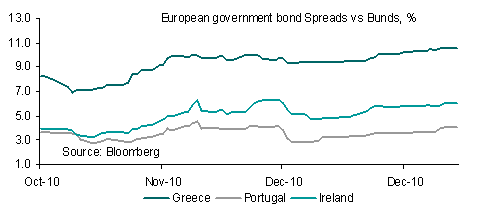
Eurozone’s woes continued to heat up last week as the holiday season relief proved temporary. Stress in peripheral debt markets increased despite buying from the ECB last week and faced with debt sales in Italy, Portugal and Spain this week the pressure is likely to continue over coming days. Whether its worries about a resolution to funding issues and investor haircuts and/or the growing divergence in growth across the eurozone, the EUR continues to look vulnerable in the absence of any resolution to these issues. Having easily slipped below its 200-day moving average EUR/USD will eye support around 1.2767.
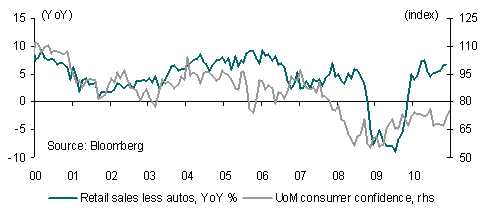
US data this week will look upbeat and provide more support for the USD, with December retail sales likely to record a healthy increase both on the headline and ex-autos readings as indicated by strong holiday sales. Similarly industrial production will reveal a solid gain whilst the Beige Book will highlight that economic conditions across the Federal Reserve districts, have continued to improve. The weak spot will remain housing but despite this consumer spending and sentiment are likely to be reported as resilient. The Beige Book is unlikely to reveal much of an inflation threat despite higher commodity prices. This will be echoed in the core CPI reading this week.
Although headline inflation in the eurozone breached the 2.0% threshold in December the ECB is unlikely to use it as an excuse to move towards tighter monetary conditions any time soon. The ECB meeting this week will nonetheless likely note the increase in various inflation gauges in President Trichet’s press statement. Most attention will be focused on any comments that Trichet makes regarding peripheral bond strains. In reality there is little that he can say that will alter market sentiment. Whilst an ongoing commitment to buy debt will help on the margin it will do little to stem the growing tide of negative sentiment towards eurozone assets.

 ECONOMETER